What the work looks like
We strengthen food security and climate resilience through sustainable agriculture, livestock production, savings and financial inclusion, enterprise development, market access and natural resource management, creating economic opportunities and building resilient livelihoods.
Savings for Life groups provide a community-managed way to save regularly, borrow and invest in households or small businesses. Members agree contributions, keep records and make lending decisions together. Training connects financial literacy with farming, livestock management, beekeeping and enterprise skills.
Areas of focus
- Climate-smart agriculture and sustainable livestock production
- Savings, financial inclusion and household financial planning
- Enterprise development, market access and economic opportunities
- Natural resource management and community-led climate adaptation
Our impact
We measure progress through improvements in household food security, income, agricultural and livestock productivity, savings and financial inclusion, enterprise growth and resilience to climate and economic shocks.
In FY2025/26, more than 30 groups were linked to Mchama/Postbank digital savings platforms, while more than 150 were pursuing registration with the Department of Social Services. Groups retain responsibility for their own savings and leadership.
Where we work
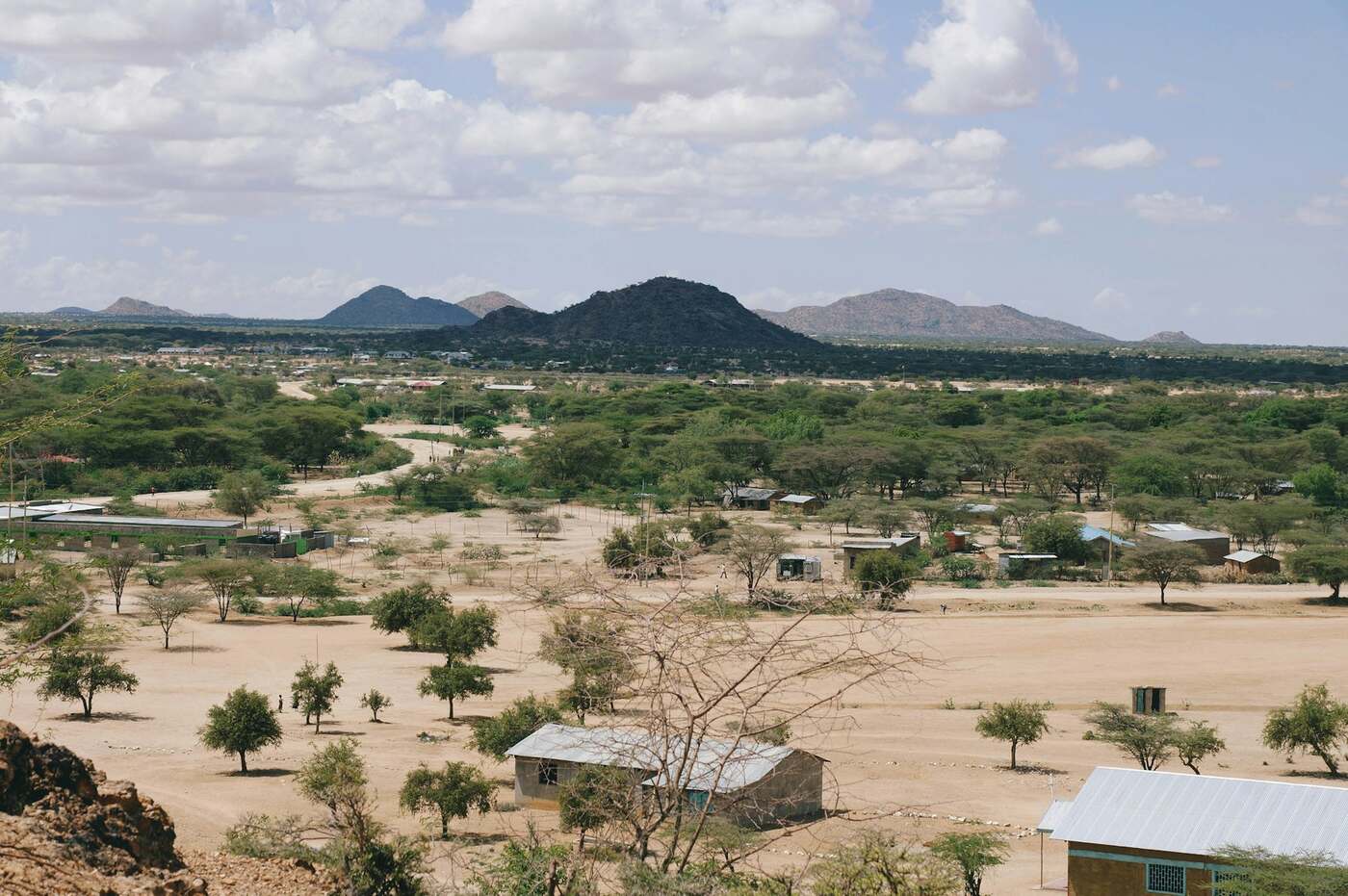
The current Kajiado programme operates in Kajiado North and Kajiado West, working with communities, churches and government partners.
Humanitarian response
Humanitarian response forms part of our food security, livelihoods and climate resilience work. We prepare with local partners and coordinate with public and humanitarian systems to understand priority needs, support households during crises and connect early recovery with longer-term resilience.